
Industrial Identification
Connect reliable code reading with the information your process needs to retain.
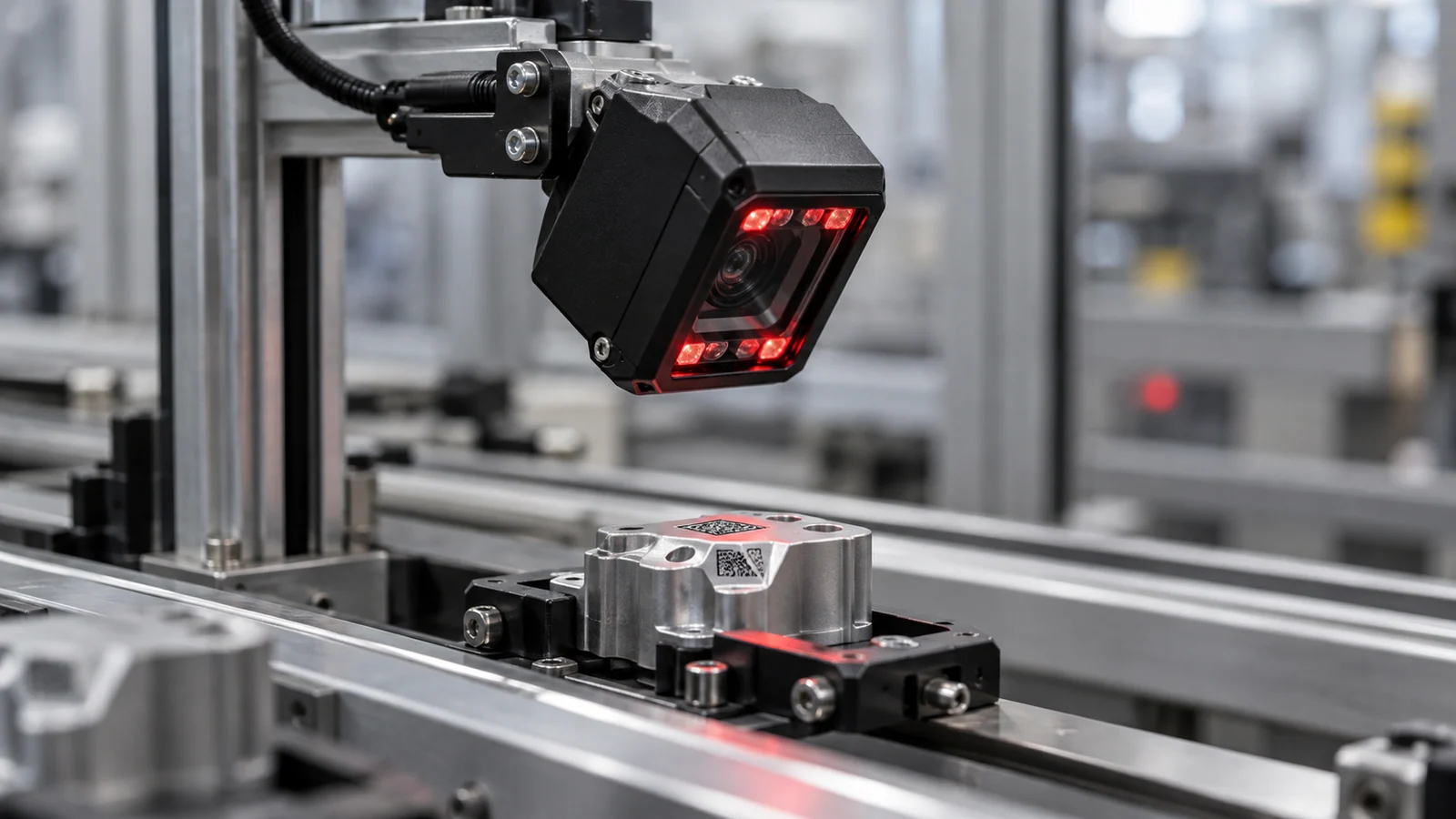
Industrial identification starts with the code on the actual item and the point at which it must be read. Printed labels, direct marks and codes on reflective surfaces can require different reading arrangements. Code size, contrast, movement and access to the surface all matter when defining the task.
SC Science supports an application discussion around industrial readers and identification workflows. Share representative codes, the material being marked and the expected variation in print or mark quality. Describe the working distance, orientation, line speed and available trigger signal. If a read result needs to reach a controller or traceability system, identify the interface and the data format required by that system. Reading a code and recording a complete production history are separate responsibilities that need to be connected deliberately.
Also distinguish code reading from formal code-quality verification. A successful decode does not by itself establish a verification grade. If graded verification is required, state the applicable method and reporting requirement so that an appropriate route can be assessed. Equipment selection, read performance and system integration are confirmed for the proposed application. The enquiry should include a plan for unreadable, duplicate or unexpected codes, rather than treating every scan as a successful production event.
Define the right configuration


Traceability Interfaces
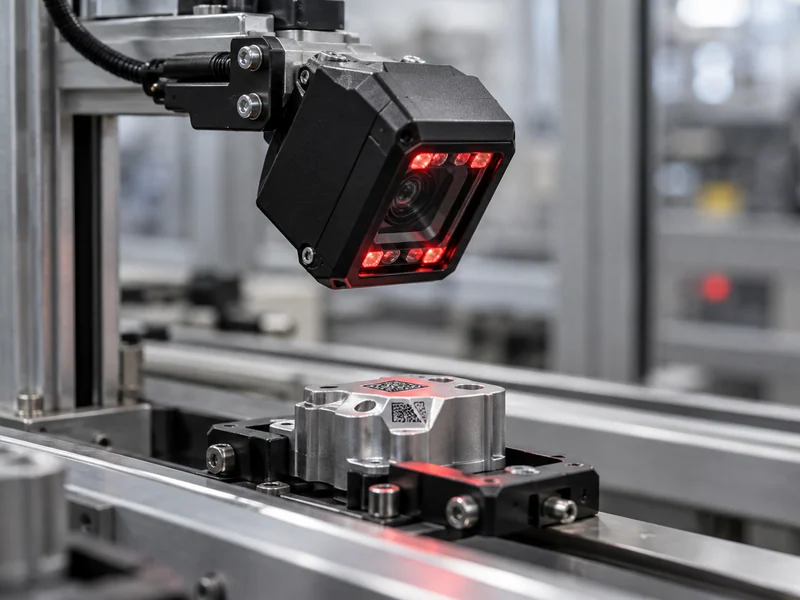
Define how read results, timestamps and exceptions reach the existing system. Software integration and code-quality verification are separate scope items.
Brands previously sourced for this technology area.
Typical Applications
- ·Component and assembly identification
- ·Work-in-progress tracking
- ·Part matching at process stations
- ·Controlled scan-and-record workflows
What to Include
- ·Code examples and surface material
- ·Code size, position and movement
- ·Reader-to-system interface
- ·Unreadable-code handling and verification needs
Tell us what your application needs
Share the operating conditions, interfaces and constraints that matter to your work.