
Material Characterisation
Match the measurement method to the material question you need to answer.
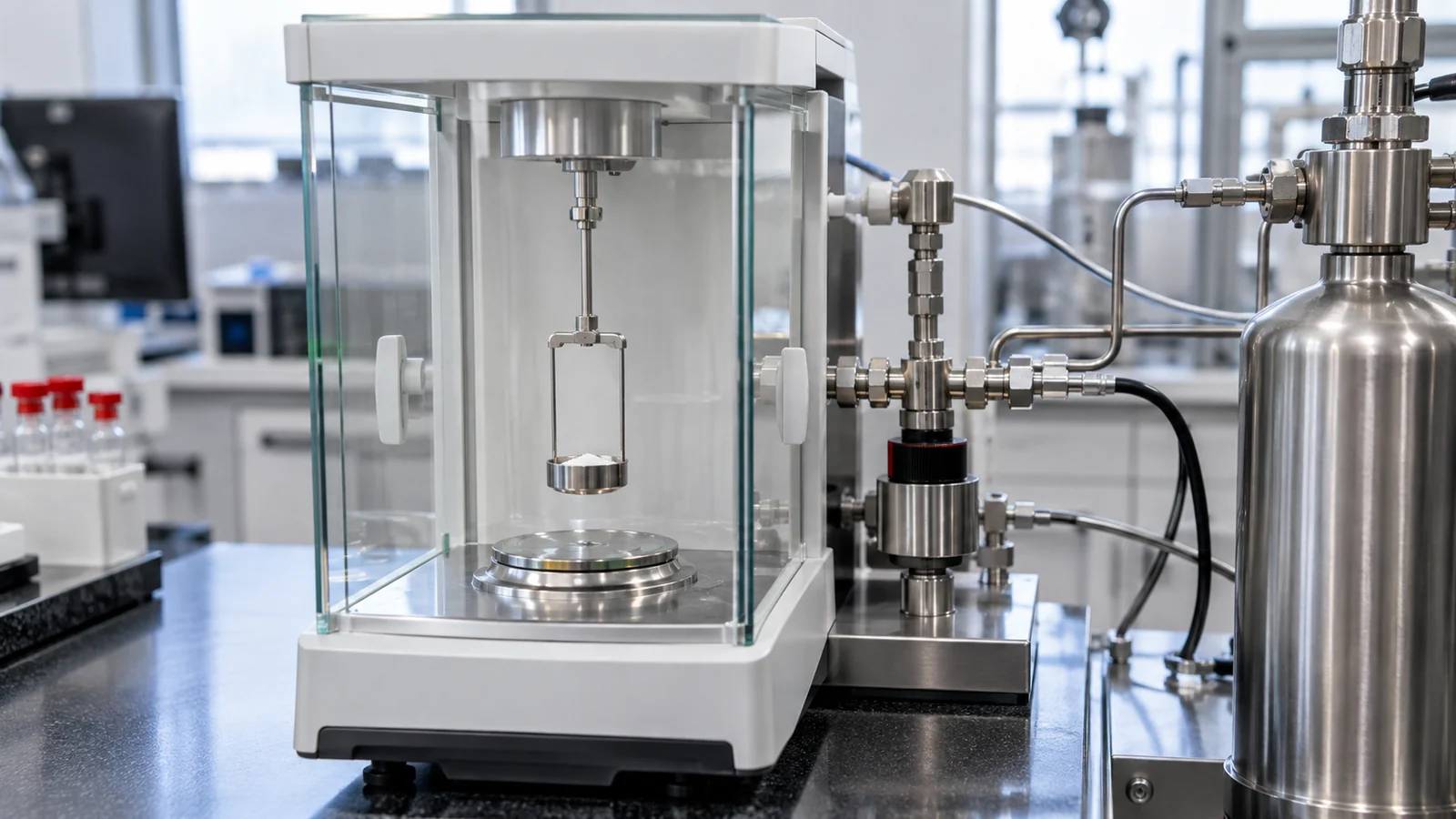
Material characterisation is most useful when the measured quantity answers a specific research question. Water uptake, transport through a membrane and moisture removal by a complete device describe different behaviour. They require different sample arrangements, measurements and ways of reporting results. A method should therefore be selected around the specimen and the intended comparison, rather than around a broad instrument label.
Discuss sorption, permeability, moisture-related measurements and controlled-condition material evaluation with SC Science. Describe the material form, available sample quantity and the conditions that matter to your study. For sorption work, identify whether you need direct mass-change measurement or another approach. For membrane and barrier studies, define the permeating species, exposed area and conditions on both sides of the specimen. Where thickness or surface condition affects the interpretation, include how those properties will be established.
Repeatability also depends on sample preparation, conditioning, blanks and the criteria used to end a measurement step. These requirements should be agreed alongside the hardware. We use the application brief to frame a discussion of suitable configurations and the information needed for technical review. Measurement range, uncertainty, throughput and any method-specific performance remain subject to the selected equipment and agreed test conditions.
Define the right configuration
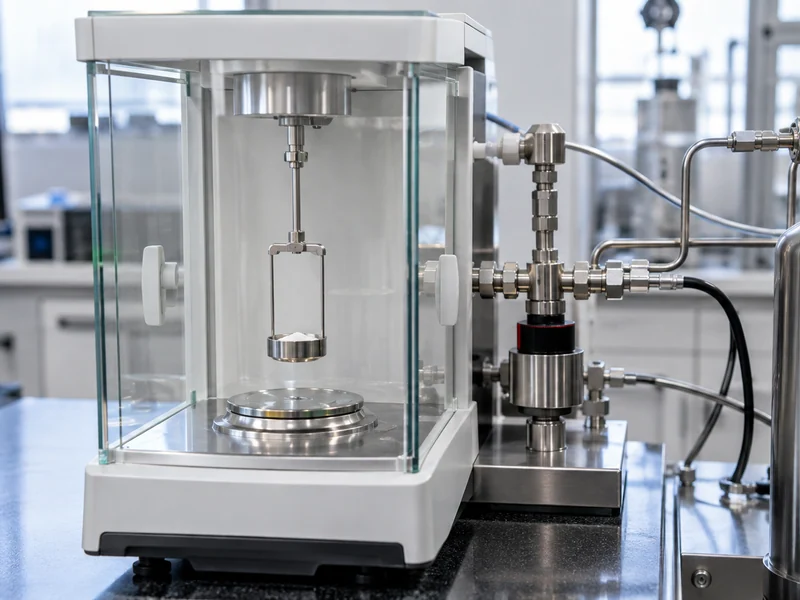
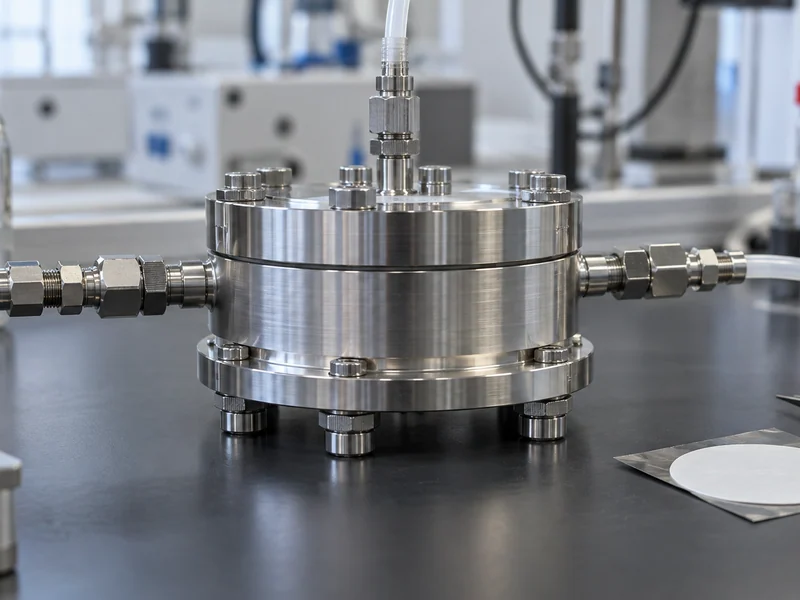
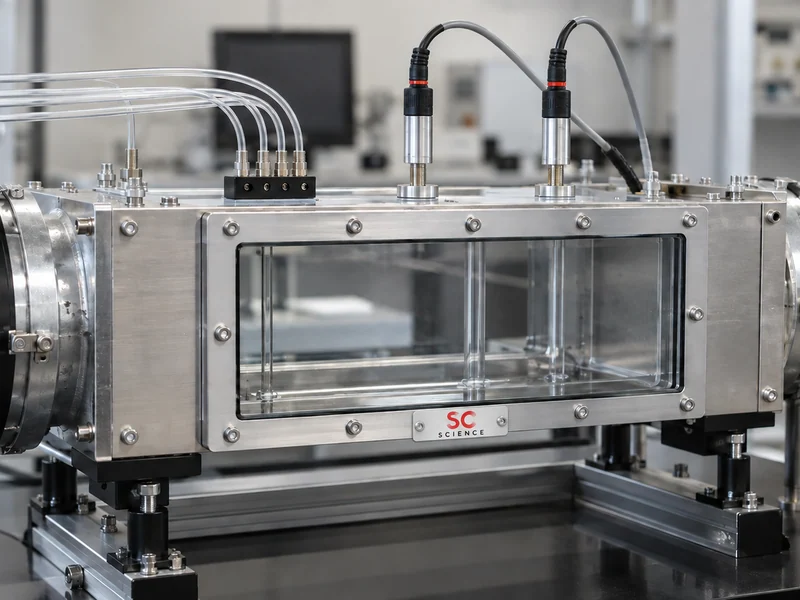
Thickness & Surface Evaluation
Identify which physical properties are needed to interpret the experiment, and establish the measurement method and sample compatibility.
Typical Applications
- ·Adsorbent and desiccant research
- ·Membrane and barrier evaluation
- ·Humidity-dependent material behaviour
- ·Comparative material screening
What to Include
- ·Material form and available sample quantity
- ·Property and measurement principle
- ·Temperature, humidity and gas conditions
- ·Conditioning, blanks and reporting requirements
Tell us what your application needs
Share the operating conditions, interfaces and constraints that matter to your work.